It's a new month, therefore I am bringing you another exclusive interview. We continue our journey to uncover the secrets of global leaders on how they achieve professional success while also maintaining personal fulfillment.
I truly hope that this will help you improve your well-being and personal fulfillment, all while achieving greater success in your performance and career.
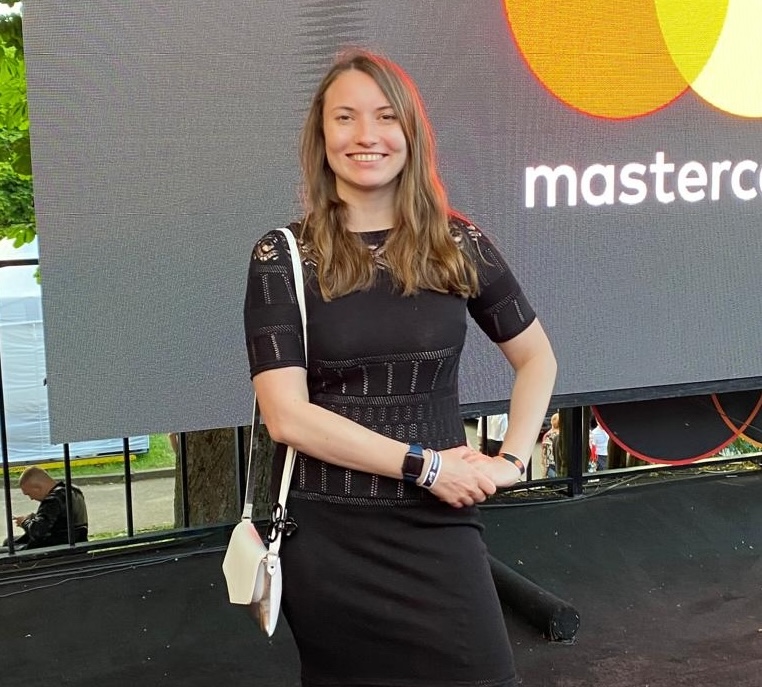
The world won't collapse if you take care of yourself for a day or two.
Svitlana Kogut
·Director, Account Management, Mastercard
Today, I'm excited to release the second interview. It features Svitlana Kogut, woman, mom and Account Management Director at Mastercard and someone who I am proud to call my friend as well.
“I am currently a Director of Account Management at Mastercard, where I've worked for the past 10 years. I am Ukrainian, passionate about many aspects of life, and committed to pursuing my talents to make the world a better place. I have a strong passion for traveling, with a goal to see as many countries as possible. So far, I have visited 53 countries, with many more to come.
My second passion is my job. I love everything about payments and how they are integrated into our daily lives. I am grateful for the opportunity to contribute to the ecosystem and help people grow their financial legacies.”
How do you personally define work-life balance, and why do you think it's important?
I think it's very important, and recently, many companies, individuals, and organizations have raised the bar and emphasized the importance of this topic. We can see this from stories like Simone Biles, who publicly addressed her approach, and from various documentaries and stories, such as those about David Beckham.
For me, work-life balance means maintaining harmony between professional responsibilities and personal life. We need to be able to combine the two — perform well in our careers and achieve our goals while also being at peace and present for our families. At the end of the day, it's our families and friends who contribute the most to our lives.
What is the biggest challenge you've faced in maintaining work-life balance, and how did you manage to overcome it?
Currently, it's challenging with having a child, as unpredictable situations often arise. For example, if your child gets sick, you can't bring them to daycare, and you need to prioritize their well-being and take care of them first.
It's important to accept this, prioritize self-care, and remember that you can delegate tasks. Having a strong support network both at work and personally — people you can rely on — makes a big difference. The world won't collapse if you take care of yourself for a day or two.
What misconceptions about work-life balance have you encountered in your journey?
People often perceive work-life balance as equal time for both, but in reality, it's about flexibility and ensuring that balance is maintained. It's not about a 50:50 split; it's about prioritizing one thing over another depending on the situation.
How do you prioritize tasks and manage your time effectively?
I've read a couple of books and strategies on this topic, and perhaps the most useful one was Atomic Habits. One of the best pieces of advice from that book is to eliminate unnecessary things from your life. Help yourself by making your goals easier to achieve by removing distractions.
Additionally, I prioritize my tasks based on urgency and importance. We live in a very fast-paced environment, so it's essential to set aside time to focus on tasks that require more attention. While other things also need focus, urgent and important tasks still come first.
How do you encourage and support work-life balance among your peers?
Our company is very respectful of work-life balance. For example, we've implemented a Meeting-Free Day, where people internally avoid scheduling meetings. This gives us time to focus on our own tasks. Additionally, we have flexible Friday afternoons, allowing us to prioritize personal tasks without being distracted by urgent messages from colleagues.
Overall, we have a flexible approach. If you have something urgent to handle or a doctor's appointment, it's possible to adjust your schedule accordingly. In the end, what matters is achieving the results.
I may not be perfect every day, but I am still the best mom for my child.
Svitlana Kogut
·Director, Account Management, Mastercard
How do you set boundaries between work and personal time, especially in a remote or hybrid work environment?
A few years ago, we had a team visiting from another office, and we had planned a Chocolate Workshop. I remember being offered to join, but I declined because I felt I had too much to finish that day. Reflecting on it, there will always be something important to deal with. I regretted not going.
It's really about prioritizing, structuring your work better, completing the urgent and important tasks, and setting a cutoff time for yourself. This allows you to switch off, knowing everything will be fine.
How do you ensure you make time for family, friends, and personal interests despite your professional responsibilities?
In my job, I don't have any specific tasks that need to be done during the weekend, which is great because I use this time to spend with family and friends. I personally use Google Calendar to block out several trips, and I share this calendar with my partner.
For me, it's important to ensure that we have someone to take care of our son during business trips, so we need to find a solution. Scheduling in advance and keeping it in the calendar helps me the most.
As you are an amazing mom and a successful leader, what's your secret to succeeding in both areas of your life?
I believe this success comes from accepting that it's not possible to be perfect. Despite everything, you are still the best mom for your child. This phrase brings a sense of ease. I may not be perfect every day, but I am still the best mom for my child.
Observing friends who have kids and still manage to travel, go on business trips, have successful careers, and pursue hobbies shows me that it's possible. It's important to prioritize quality over quantity in both areas, accept that it's okay not to be perfect, and of course, have support systems and manage your time well.
How important is physical health to your work-life balance, and how do you incorporate it into your routine?
I think it's super important. I feel it in my mood and behavior. Yoga is a practice that helps you discover your feelings from different angles. If I do the same routine, I realize that some days I do it better, and on other days it's more difficult.
Regarding exercise, it's important to do something that you enjoy. I suggest finding something where you feel accomplished — not necessarily something that exhausts you, but something that is challenging enough to help you disconnect to reconnect.
How do you manage and prioritize 'me time' in your schedule?
I prioritize “me time” by blocking it off in my calendar. I enjoy activities like yoga, which I try to practice 2-3 times per week. I also enjoy spending time outdoors, traveling, and recharging by soaking up energy from the outside.
As your career progresses and life circumstances change, how do you adapt your work-life balance strategies?
I think it's important to start by identifying priorities and setting boundaries to establish non-negotiable time for yourself and your loved ones. You can choose to work 24/7, but I decided a long time ago that weekends are a great time for me to disconnect from work.
Can you share a personal success story where improving your work-life balance led to better performance?
What was really striking for me during some meetings was hearing stories from other colleagues who also struggle with different aspects and feel pressure. I think it's very important to find your safe space and talk openly about these issues.
It's important to set a clear focus and understand what's enough for the day, even if it's not everything. This will help you disconnect more easily from work once you close your laptop and allow you to enjoy time with your loved ones. Stress has one of the most drastic impacts, so you really must consider what you want more: a good, fulfilling lengthy life or being stressed. Letting go, accepting, and being present could be more helpful.
What advice would you give to someone struggling to find balance? What is the first step to start?
Reflect on what you want. Imagine the ideal scenario that would make you feel at peace. This will help you define specific action steps. Identify what work-life balance means to you, as it can mean different things to different people, and be as specific as you can.
If you establish your goal, it will be easier to identify the steps you need to take. Create routines that help you stay on track.
What is one thought you'd like to share with other leaders to inspire them to improve work-life balance within their teams?
Happy employees do a better job, in my opinion. If people feel happier at work, they are more excited and motivated to perform. Everyone has different drivers, but if you keep your employees at peace and understand that they are not there to be completely exhausted, it can lead to better results for the company.
I hope Svitlana's insights were as inspiring and valuable to you as they were to me.
Be sure to stay tuned for more engaging interviews and content aimed at helping you excel both personally and professionally.