The last exclusive interview of 2024 is here! This year, we embarked on an exciting new journey to uncover the secrets of various global leaders on how they excel in their professional lives while also maintaining a high level of personal satisfaction.
I hope these interviews inspired and continue to inspire you to enhance your well-being and sense of personal fulfillment, all while reaching new heights in your career and overall performance.

It's about finding that sweet spot between purpose, intent, and something that keeps you engaged and gives you meaning.
Luiza Gusmao
·VP of Customer, Cover Genius
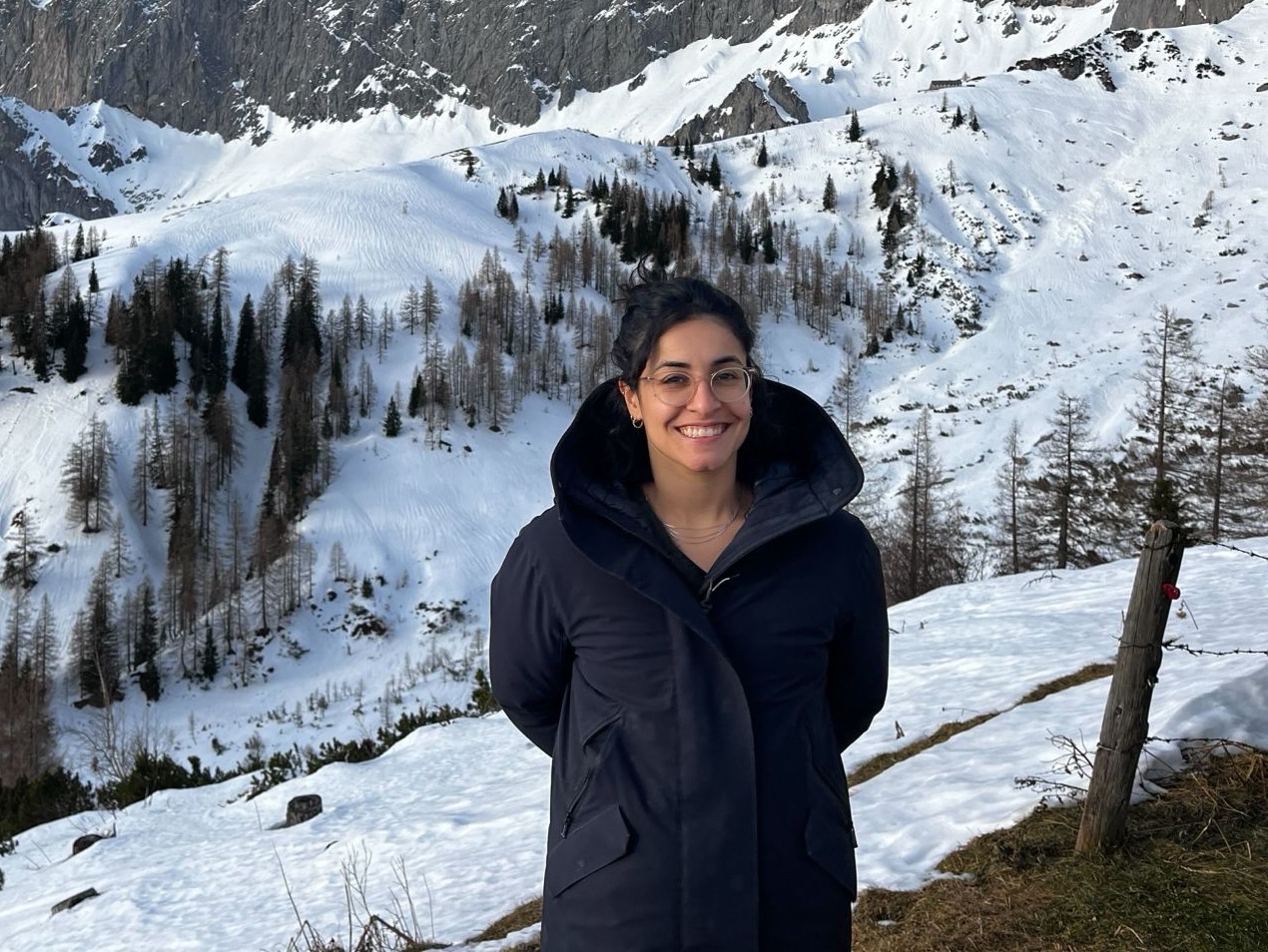
The last interview of 2024 features Luiza Gusmao, VP of Customer at Cover Genius. She is a dynamic force of energy and innovation who refuses to settle for the status quo. Always pushing boundaries and seeking new opportunities, Luiza thrives on driving change and challenging the ordinary to achieve extraordinary results.
“My name is Luiza, and I am the VP of Customer at Cover Genius, a global Insurtech company. I've been with the company for 8 years, having joined when we were just 20 people; today, we are close to 600, with over 270 in my team. The reason I started by introducing myself through my role at Cover Genius is that my work life is closely tied to the journey of what I've built here. However, my academic background is actually in Industrial Engineering. My Master's degree is in Complex Change Management.
Outside of academics and work, I love sports and play European Handball.”
How do you personally define work-life balance, and why do you think it's important?
I find “work-life balance” to be a terminology that is a bit misleading because, in reality, we work 10-12 hours a day. Work is also a part of your life, and you have a life outside of work. We are whole human beings, and we are not going to be defined by only one thing that is part of our life.
When I think about work-life balance, the way I intend to live is by being present and doing things that make sense for the right time in my life. Working long hours and really pouring yourself into a project isn't necessarily a bad thing if it's done with intent — knowing that you are pursuing a bigger purpose and understanding why you are doing it.
It's about finding that sweet spot between purpose, intent, and something that keeps you engaged and gives you meaning, while also serving your financial needs.
What is the biggest challenge you've faced in maintaining work-life balance, and how did you manage to overcome it?
The biggest challenge around finding balance is being present and intentional. If I have something very challenging, the challenge is shutting that down outside my work hours, and trying to be present with my partner and rest — not checking emails, not thinking about it.
Historically, I am very sensitive and responsive to my environment, so I've done a lot of training over the years to be more rational in how I approach problems. Your thoughts drive your emotions, so over the years I leaned on toolkits or frameworks to work with my thoughts. For example, when I feel that something was not good enough, I write down what went well and what didn't go well. That helps me digest my thoughts and process them.
It is a lot of training and awareness, and you will not build it overnight. It's about making it a priority because it will bring you a lot of long-term value in your life.
What misconceptions about work-life balance have you encountered in your journey?
I grew up in Brazil, and for me, the biggest misconception is that you have to have your work self and then your personal self outside of work. I think this is absolutely wrong.
The values that you carry as a person are the same everywhere you are. Your values, your integrity, and the reasons why you make decisions outside of work are the same as what you bring into work. These are an expression of your true self.
How do you prioritize tasks and manage your time effectively?
I am someone who really loves routine — sleeping, going to bed at a certain time, going to the gym. Routine is freedom for me. When I think of work, I like the concept of flow or boost of energy, where you have intensive periods with a lot of hours and energy, and then periods when you are going to slow down and rest.
I like the concept of building a “piggy bank” — a reserve. For example, if it's a calm period, I build a piggy bank by going to the gym and being healthy. When I have to travel a lot for work, I tap into my reserves.
Then there's the prioritization of tasks. Now, what I try to do is ask myself, “What is the one thing I should do right now that is going to create the most value long term?” Progress is not so much about the quantity but the quality of your interactions — being actively listening, being very present.
How do you encourage and support work-life balance within your team?
There are times to apply pressure and times not to. It's a really fine balance. Being very intentional about creating an environment that is safe is key. A lot of people on my team have kids, and I ask them to block their calendars when they have duties — I don't want them justifying why they cannot make it; it's part of our deal and agreement.
When you have a highly engaged team — because there is trust and safety, and because we care about each other's success — it creates a very different situation where people feel open and collaborative. It's not about the hours; it's about the value of your output. Not to forget that trust and safety also comes with accountability — you need both to reach success.
Build a piggy bank while you are not travelling, so when you do travel, you can tap into your reserves without going broke.
Luiza Gusmao
·VP of Customer, Cover Genius
How do you set boundaries between work and personal time, especially in a remote or hybrid work environment?
One of the things I've done that works really well for me is turning off notifications on my phone after certain hours by using the “focus” function. I know that if someone really needs something from me, they will WhatsApp me — and for me, WhatsApp takes some effort, because we all know it's a personal channel.
How do you ensure you make time for family, friends, and personal interests despite your professional responsibilities?
I have this very strong commitment to the things I want to do — like handball and the gym. With my partner, we managed to establish a routine this year of going to the gym together. It has become a really cool moment of connection for us.
Morning time has become so precious to me. I wake up at 5:30-6:00 AM and go to the gym early in the morning. You must not check your emails or Slack in the morning — it's such a precious time for drinking coffee or reading a book. This is “me time” for me that sets you up with the right mindset and energised for the day.
How important is physical health to your work-life balance, and how do you incorporate it into your routine?
Everything is connected. You cannot look after your mental health without looking after your physical health, and vice versa. It's very important to prioritize sleep and rest for the long term.
As I grow older, I appreciate my parents more for putting me into sports and encouraging me to do a lot of activities as a kid. It's a muscle that I believe is harder to develop later in life. This is a muscle that you build, so when you grow older, you may change the dynamic, but it's still there, and you can activate it whenever you want.
How do you manage and prioritize 'me time' in your schedule?
When I think about “me time” in my day-to-day life, it often becomes “us time.” My me time is usually blended with the time I spend with my partner, which is very relaxing. Outside of my relationship, it's hanging out with my friends — these are spaces that are just mine.
For example, this year, I went on a girlfriends' trip. These are very important people in my life that I hadn't seen for maybe two years. This was big “me time” for me.
With all the travel that your job entails, what are your top 3 tips for keeping work-life balance on track?
Build a piggy bank while you are not travelling, so when you do travel, you can tap into your reserves without going broke. For me, it is: exercising (I love going to the gym early in the morning), sleeping 8 hours, and social time with my community.
While travelling, it's a bit harder to keep up with sleep and diet. What works best for me is letting it go and accepting that not everything will work as planned or expected.
As your career progresses and life circumstances change, how do you adapt your work-life balance strategies?
As my career progresses, the biggest shift has been focusing on value as opposed to quantity. It's about being intentional with time, energy, and quality. As you become more senior, challenges become more complex, responsibilities grow, and you need to maintain good mental and emotional balance to handle things, and have patience.
Can you share a personal success story where improving your work-life balance led to better performance?
Two things I've done this year that really changed my work-life balance: I started exercising early in the morning and stopped looking at my emails until it's time to start work. These two things really elevated my mental health and when starting my day, I was in a much better state to have clear goals and deliverables, with much more energy and focus.
What advice would you give to someone struggling to find balance? What is the first step to start?
It all goes back to discipline, and discipline is hard — it requires consistency. My two tips are: 1. Surround yourself with people who will help you get there — I really struggled to have better discipline and structure until I found buddies who would help keep me motivated, like a running club or a fun gym crew. 2. Keep your space organized — whether it's your house, work, or room. If the exterior is messy, it will be really hard to keep your internal thoughts organized.
Start small — I suggest making your bed every day when you wake up.
What is one thought you'd like to share with other leaders to inspire them to improve work-life balance within their teams?
Listen to your teams. Every team member has different needs and goals, and as a leader, you need to adapt to them, not the other way around. Work-life balance for some people with young kids means having the flexibility to reschedule meetings last minute. These small adjustments are superpowers, and it's usually why people decide to stay or leave their teams.
Luiza's journey and insights left me feeling inspired — I hope they did the same for you!
Keep an eye out for more exciting interviews and resources to help you reach new heights in both your personal and professional journey.